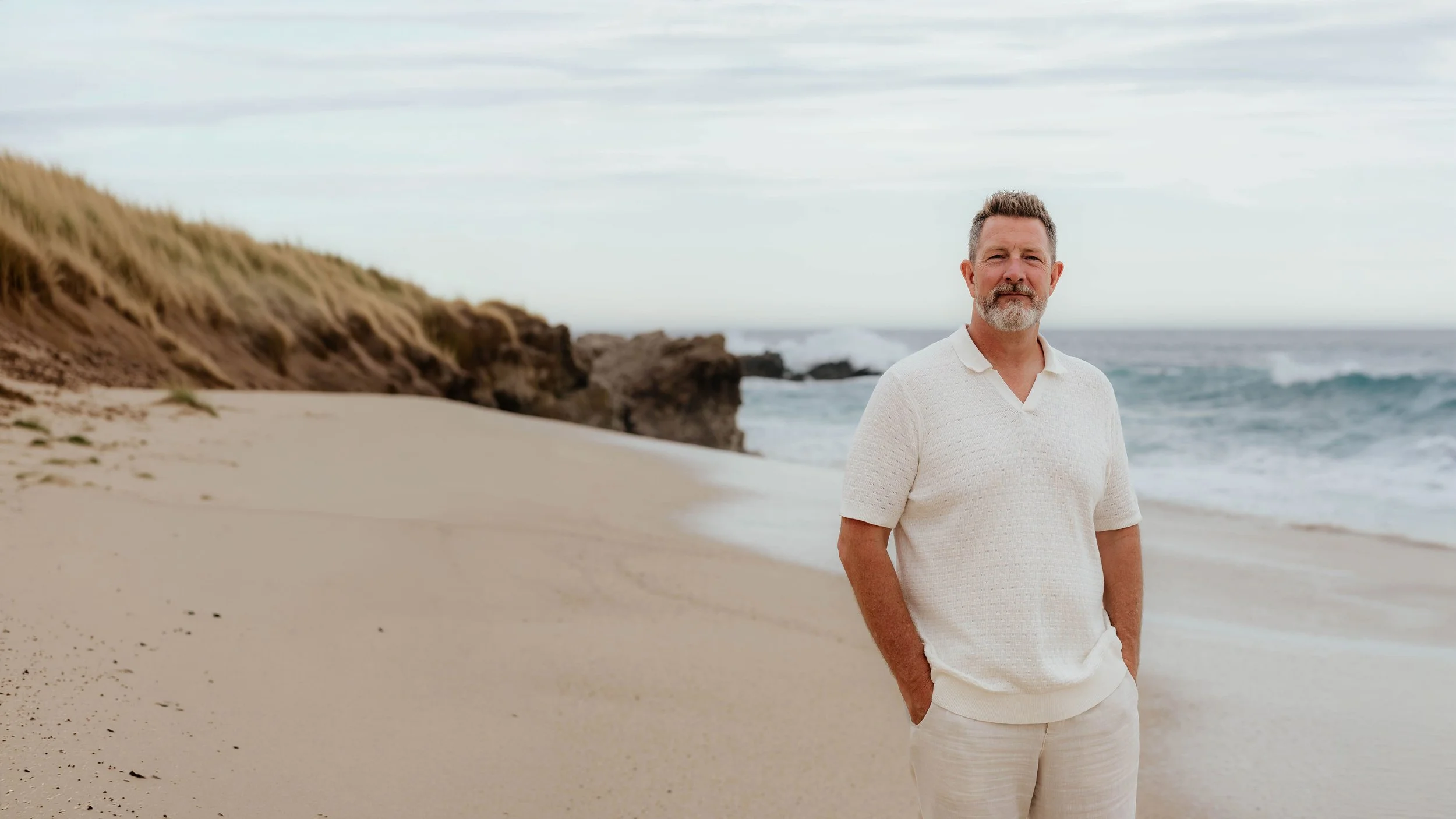
A Broader Conversation About Cancer Care with Dr. Nathan Goodyear
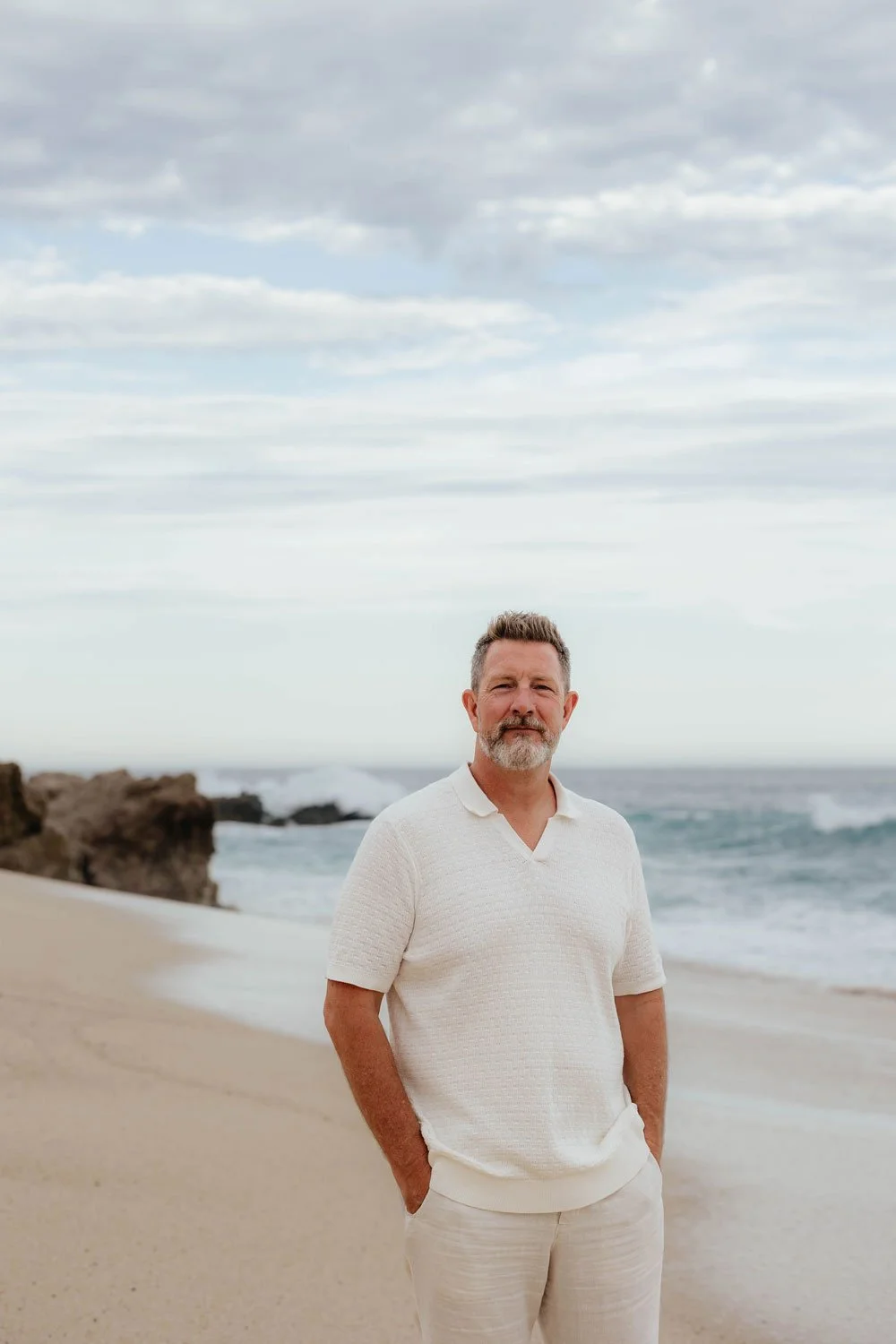
A Broader Conversation About Cancer Care with Dr. Nathan Goodyear
Every person deserves a doctor who never stops asking, "What else might help?"

Speaking Truth to Build TrustWhen people hear the word "cancer," fear often arrives before understanding. That is why one of Dr. Goodyear's greatest responsibilities is education.
A cancer diagnosis can change your world in an instant. Unfamiliar words, impossible decisions, more information than anyone could process alone. It is easy to feel like you've lost your footing.
Dr. Nathan Goodyear believes that medicine should bring clarity where there is confusion, hope where there is fear, and partnership where people too often feel alone.
Ways to Connect With Dr. Goodyear
Ways to Connect With Dr. Goodyear
Educating, supporting + offering hope through understanding.
Integrative Oncology Consultations

Every person's experience with cancer is different. Together with you, Dr. Goodyear will look closely at your diagnosis, review the available evidence, and discuss an approach that reflects both the latest research and your individual circumstances.
Books & Educational Resources

Understanding changes everything. Dr. Goodyear's books translate complex medical topics into something patients and families can actually use, so you feel informed and prepared for the conversations ahead.
Media & Speaking

Some of the most meaningful conversations happen outside the clinic. Through podcasts, interviews, conferences and publications, Dr. Goodyear works with leading voices in oncology to share research, challenge assumptions, and push the conversation about cancer.
Medicine has been my life's work. Learning has always been my life's habit.
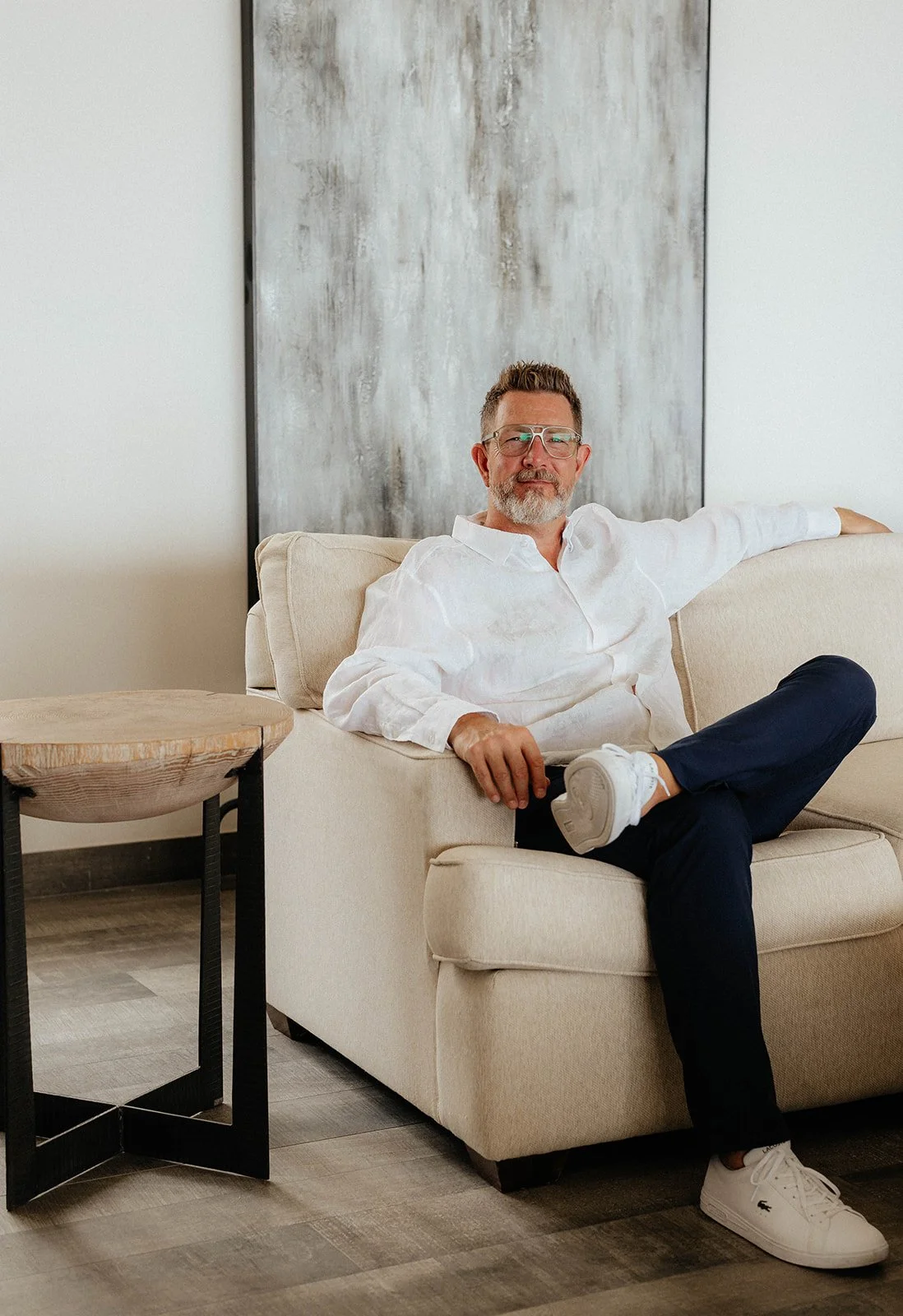
The Doctor is in —For more than three decades, I've practiced at the intersection of rigorous oncology and integrative care, working with patients, fellow physicians, and researchers who share that same standard. Every recommendation I make begins with one question: "What does the science tell us today, and how can we use it to help the person sitting in front of me?"
I believe medicine to be the ultimate profession. It is the blend of science and art. Science builds the structural foundation. Art is the application of that science to meet the heterogeneity of each individual. I believe being a physician is walking in the footsteps of the original physician.
Medicine is at a crossroads. Doctors have forgotten their original purpose. As a result, the doctor-patient relationship is broken. Patients are not the reason for this separation.
My belief is simple: doctors are both healers and teachers. Every patient deserves thoughtful care and a physician as committed to learning as they are to helping.
Listen to the latest episode,
or explore the full collection.
The future of medicine is shaped by people who are willing to ask thoughtful questions, listen carefully, and keep learning.
In each conversation, Dr. Goodyear explores emerging research, challenge assumptions, and discuss the ideas shaping the future of oncology with fellow physicians, researchers, and leaders in healthcare.

Dr. Goodyear's Approach to MedicineShaped by a few simple beliefs.
-
Hope is to trust that healing is possible. Without hope, nothing is possible, but with hope, all things are possible. Hope doesn’t happen by accident. Rather, it is the result of trusting people who possess exceptional abilities to heal the body when its natural healing abilities have been compromised.
-
Rather, healing is a biochemical and physiological design. Healing is what the body is designed to do. Every cell in the body is designed to heal. If not, it is replaced. Every second, every minute, every hour, of every day, the body heals.
The body’s designed healing capacity recruits the immune system to areas of need as the healing process begins. The body coordinates healing from the inside out. The body knows how to heal. There is no coincidence in this design. Instead, there is perfect design.
-
Hope, healing, and teaching are the foundational tools intertwined in the soul of the origin of a physician, who is a doctor, a healer, and a teacher. That is something you can build trust in—that is hope, and this hope is the beginning of healing and a new life.
-
What is a holistic approach to oncology? What is Integrative Oncology? What is integrative cancer care? “Holistic" and "integrative" are intertwined.
I don’t believe you can discuss one without discussing the other. They are interlinked and tied at the hip.
“Holistic" is the recognition that the whole is greater than the sum of the parts. The individual parts work not for the benefit of the parts, but only for the benefit of the whole. Integrative healing integrates the practice of holistic medicine for the purpose of healing. This integration occurs at multiple levels:
Integration of the original context and historical meaning of the word “integrative" or "integration"
Integration of the spirit, mind, and the body
Integration of objectives to target cancer and heal the body simultaneously
Integration of therapies
Integration of allopathic and holistic therapies
Integration with the body
Integration of the science
Integration of precision therapies
Clarity on the Questions You May Have:
-
Dr. Nathan Goodyear has been affiliated with the Williams Cancer Institute, where physicians explore integrative and emerging approaches to cancer treatment. The institute is known for combining conventional oncology with integrative therapies that examine metabolic health, immune signaling, microbiome research, and novel treatment strategies. Through this affiliation, Dr. Goodyear participates in conversations and clinical work focused on understanding cancer through a broader biological perspective alongside Dr. Jason Williams bringing the future of cancer care to patients today.
-
Many people first encounter Dr. Goodyear through the Pre-Scribed podcast or other educational discussions. While the podcast focuses on scientific dialogue and the exploration of emerging ideas in medicine, Dr. Goodyear’s work extends beyond education. His background includes clinical medicine and participation in integrative oncology environments where research, clinical insight, and patient care intersect.
-
Dr. Goodyear often discusses cancer through the lens of systems biology and integrative oncology. This perspective looks beyond isolated disease pathways to examine how metabolism, mitochondrial function, immune activity, environmental exposures, and lifestyle factors may influence health and disease. Rather than focusing on a single treatment strategy, this approach encourages a broader understanding of how different biological systems interact.
-
The Pre-Scribed podcast often attracts both audiences. Some episodes explore research topics that clinicians and researchers may find particularly interesting, while others help patients better understand complex medical concepts and ideas. The goal is to create a space where scientific curiosity, clinical experience, and patient education can intersect in thoughtful conversation.
-
Off-Scripts RX is a platform focused on the responsible discussion and use of repurposed medications. These are medications originally developed for one medical condition that are now being studied or used for other therapeutic purposes. Dr. Goodyear has been involved in conversations surrounding these approaches, particularly as they relate to emerging areas of integrative and precision medicine.
Ultimately, Off-Scripts RX exists to explore how existing medications may offer new possibilities in medicine. By examining the scientific rationale for repurposed therapies, the platform encourages thoughtful dialogue about how these approaches might improve patient outcomes.
-
Dr. Nathan Goodyear’s work is generally explored within the context of integrative oncology, a field that examines how different medical perspectives may work alongside conventional cancer care rather than replacing it. Conventional oncology focuses primarily on identifying and targeting malignant cells through treatments such as surgery, radiation, and chemotherapy. Integrative oncology expands the conversation by also examining the broader biological systems that influence health, including metabolism, mitochondrial function, immune signaling, microbiome dynamics, and environmental exposures. The goal of this approach is not to reject conventional medicine but to ask additional questions about how the body responds to disease and treatment.
In practice, this often means exploring how supportive therapies, metabolic strategies, lifestyle factors, and emerging research might intersect with traditional oncology. Many patients and clinicians are increasingly interested in understanding how these systems interact rather than viewing cancer treatment through a single therapeutic lens. Dr. Goodyear’s work frequently focuses on these broader discussions, encouraging thoughtful dialogue about how different areas of medicine may contribute to a more comprehensive understanding of cancer biology.
-
Dr. Goodyear’s work spans both educational platforms and clinical environments. Many people first encounter his ideas through conversations on the Pre-Scribed podcast or through discussions surrounding integrative oncology and emerging treatment strategies. In addition to these educational efforts, he is affiliated with clinical work connected to the Williams Cancer Institute. Patients who pursue care at the institute may occasionally encounter Dr. Goodyear during their treatment, as physicians within the institute collaborate and contribute to the broader clinical environment.
At times, Dr. Goodyear also opens limited availability for virtual consultations. Because his schedule can be variable and often fills quickly, individuals interested in exploring a consultation may join a waitlist to be notified when new appointment opportunities become available.
If you would like to be considered when his schedule opens, you are welcome to join the waitlist.
Read the Latest ArticlesKnowledge cannot erase a diagnosis, but it can replace fear with understanding.
Here you'll find articles drawn from the questions patients ask every day, the research shaping the future of oncology, and the conversations worth having.